
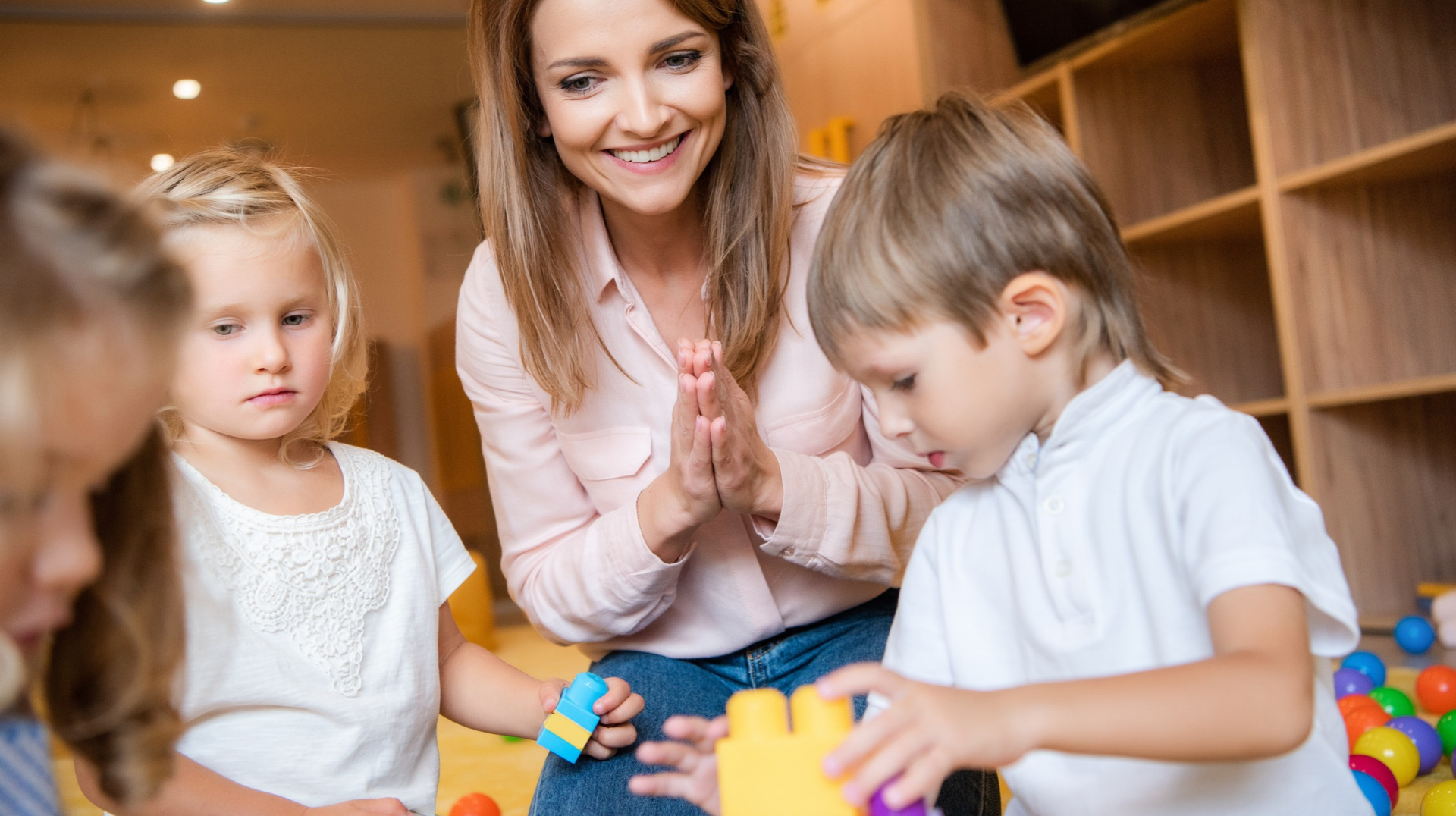
Early childhood education is relational work. Every day, kaiako support tamariki as they navigate new experiences, big emotions, social interactions, challenges and discoveries. Sometimes that means celebrating a child's excitement. Sometimes it means helping a child who is overwhelmed, frustrated or struggling to communicate what they need.
In these moments, we often talk about helping tamariki develop emotional regulation. But there is another important part of the conversation: children learn to regulate through relationships, and the wellbeing of the adults around them matters.
This is where co-regulation comes in.
What is Co-Regulation?
Young children are still developing the skills they need to understand and manage their emotions. They cannot always calm themselves simply because we tell them to. Their ability to regulate develops over time through repeated experiences of being supported by responsive, trusted adults.
Co-regulation is the process of an adult helping a child feel safe, understood and supported while they experience strong emotions. A calm voice, a reassuring presence, predictable routines, empathy and physical closeness can all help a child gradually return to a more settled state.
Over time, these experiences help tamariki develop their own capacity for emotional regulation. In other words, before children can consistently regulate themselves, they often need to experience regulation with someone else.
This makes the emotional environment created by kaiako incredibly important.
Children Notice More Than We Think
Young tamariki are highly attuned to the people around them. They notice facial expressions, tone of voice, body language and changes in the atmosphere of a room.
This does not mean kaiako need to be perfectly calm at all times. In fact, expecting educators to remain completely unruffled throughout a busy day would be unrealistic.
ECE is demanding work. There can be noise, competing needs, challenging behaviour, difficult conversations, staff pressures, unexpected events and very little opportunity to pause.
The important thing is not perfection. It is having enough capacity to respond rather than simply react.
A kaiako who has had the opportunity to rest, feel supported and process their own emotions is more likely to have the capacity to pause when a child is distressed and think:
“What is this child communicating?”
Rather than:
“How do I make this behaviour stop?”
That small shift can make a significant difference.
Wellbeing is More Than Self-Care
When we talk about educator wellbeing, it can be tempting to focus on individual strategies. Drink more water. Take a break. Practise mindfulness. Get enough sleep.
These things can certainly help, but wellbeing in ECE cannot rest entirely on the shoulders of individual educators.
A person can have excellent self-care habits and still feel depleted if their workplace environment is consistently stressful.
Supporting kaiako wellbeing also means considering the conditions in which they work.
Do educators have genuine opportunities to take breaks?
Do they feel comfortable asking for support?
Do leaders recognise when someone is struggling?
Is there a culture where staff can talk openly about challenges?
Are workloads manageable?
Do kaiako feel valued and listened to?
These are leadership and organisational questions as much as they are personal wellbeing questions.
A Regulated Adult Creates Space for a Regulated Child
Imagine a child becomes overwhelmed during a transition. They cry, refuse to move and push away the adult trying to help.
A rushed or frustrated response might escalate the situation. A calm response might sound very different:
“You're finding this really hard. I'm here. We can take a moment.”
The child may not immediately stop crying. That is not necessarily the measure of success.
The goal is to communicate safety, connection and understanding while the child experiences their emotion.
Sometimes co-regulation is simply staying nearby. Sometimes it is offering a cuddle, lowering your voice, reducing stimulation or giving the child time and space.
It is also about recognising that behaviour is communication. A child who is dysregulated may not have access to the skills they need in that moment. They need an adult who can help them find their way back.
What Helps You, in Your Role as Kaiako, Stay Regulated?
There is no single strategy that works for everyone, but small changes can make a difference.
Pause before responding
Even a few seconds can create space between a child's behaviour and your response. Take a breath, notice your own feelings and consider what the child might need.
Know your own triggers
Reflect on the situations that tend to push your buttons. Is it noise? Repeated conflict? Feeling rushed? Particular behaviours? Self-awareness makes it easier to recognise when your own stress is rising.
Use your team
Co-regulation is not only something we provide for children. As kaiako, you need it too. A supportive colleague who says, “I've got this for a minute, go take a breather,” can make an enormous difference on a difficult day.
Create predictable environments
Clear routines, thoughtful room organisation and consistent expectations can reduce unnecessary stress for both tamariki and adults.
Talk about wellbeing as a team
Make wellbeing an ordinary part of professional conversations rather than something discussed only when someone reaches breaking point. Ask questions such as:
What is feeling difficult at the moment?
Where are we feeling stretched?
What could make this part of the day easier
How can we support one another?
We Don't Need Perfect Kaiako. We Need Supported Kaiako.
One of the most important messages in this conversation is that kaiako do not need to be calm every second of every day.
Tamariki benefit from seeing authentic adults who experience emotions, acknowledge mistakes and repair relationships.
A kaiako might say:
“I was feeling frustrated then, so I took a breath. I'm feeling calmer now.”
That is valuable learning too. It shows children that emotions are manageable, that adults can recognise their own feelings and that relationships can be repaired when things don't go as planned.
The aim is not to create an environment where nobody ever feels stressed. It is to create environments where stress can be recognised, supported and managed.
Looking After the Adults Who Look After Children
Co-regulation reminds us that children's wellbeing and kaiako wellbeing are deeply connected.
When educators have the time, support, relationships and resources they need to care for themselves, they have greater capacity to be emotionally available to tamariki. And when children experience responsive, regulated relationships, they are given repeated opportunities to develop their own emotional regulation skills.
It is a cycle of connection.
Supported kaiako can better support tamariki. Supported children develop greater confidence and regulation. Stronger relationships support a healthier learning environment for everyone.
At 4E's Learning Hub, we believe professional learning is not simply about adding more knowledge to a kaiako's toolkit. It is about strengthening the people, relationships and practices that make quality early learning possible.
Sometimes supporting children's wellbeing starts by asking a different question:
How are the adults who care for them doing?